
My Kids Love These 3 Veggie-Packed Meals
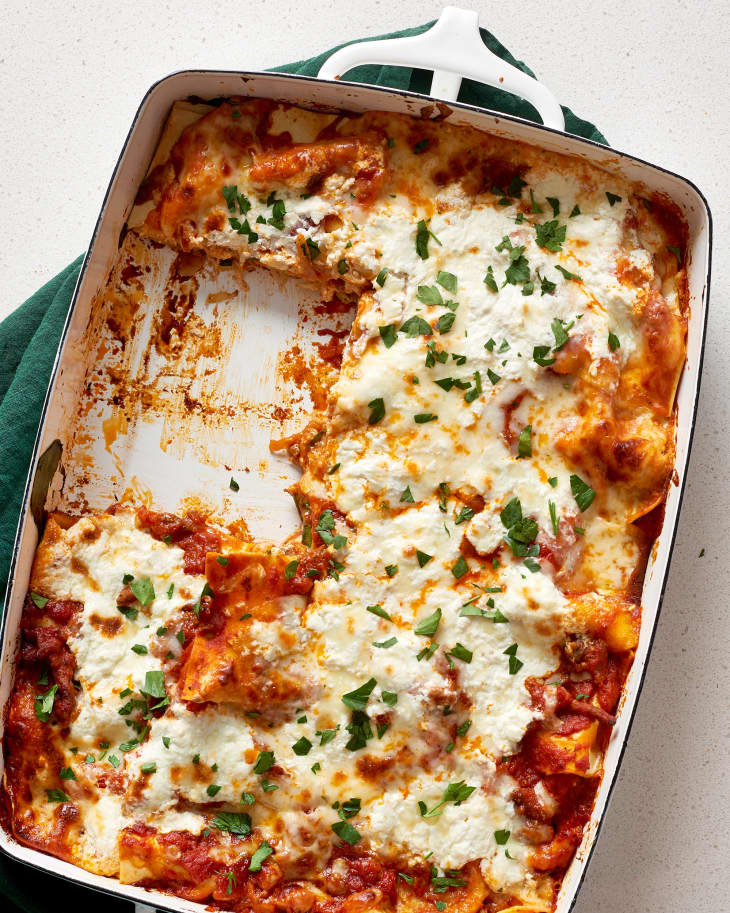
This piece was created for Cubby, our weekly newsletter for families at home. Want more? Sign up here for a weekly splash of fun and good ideas for families with kids. Join us over on Instagram for more!
Cubby. Real solutions for unreal times.
Join us for a weekly dose of fresh, modern ideas for life at home with your kids.
I know what you’re thinking: Uh-uh. My kid doesn’t do vegetables. And maybe your child doesn’t … at least right now.
But my husband and I have been pleasantly surprised to see our boys (ages 9 and 12) gradually become more willing to try a variety of dishes with vegetables in supporting or starring roles. Getting there has taken patience, creativity, and some strategic sprinkling of cheese.
Too often, vegetables for kids are treated as a bland, overcooked after-thought or as a necessary evil. But it doesn’t have to be that way. Vegetables can be a flavorful and enticing part of any meal (and, of course, a healthy addition to your menu).
However, finding that happy balance between healthy meals your kids will actually eat, are easy to prepare, and not the same dish night after night can be a challenge. Here are some tips that have helped us turn veggies like spinach, cauliflower, and eggplant from “no way” to “can I have seconds?” along with three of our family’s favorite recipes.
Tip #1: Introduce variety into meals … gradually
Not every food will be a hit, especially the first time. But by incorporating different veggies regularly into your meals, you have a better chance of finding something your child will enjoy. Try different colors, flavors, textures, and preparation. The best way for a child to get used to differences is to gently introduce them, making the experience a fun adventure. It doesn’t have to be every night. Once or twice a week, pair something new with a favorite dish, so the meal doesn’t feel threatening.
Tip #2: Give your child a stake in mealtime
I’ll never forget what happened when I tried sneaking pureed cauliflower into my kids’ mashed potatoes years ago. They were ready to riot! That experience helped refocus my objective: to encourage good, lifelong habits rather than opt for short term gains earned by fooling them.
After that, cauliflower still made menu appearances from time to time — riced, raw, roasted. We kept trying, without making it a big deal. We experimented with new recipes the family would try together: some of us would like them and some might not. That patience and low-stakes attitude paid off. My oldest son recently told me that cauliflower is his favorite vegetable.
Some ways to make that process fun:
- Let the seasons guide your menu and encourage your child to help choose ingredients at a farmer’s market or grocery store.
- Have your child help “make the meal” (varying what that means exactly according to age and ability). It can also be as simple as letting them choose among a rainbow of healthy toppings to add to their plate on Taco night.
- Let your child play food critic and give the new dish a score from 1-10. My youngest son loves this. His constructive criticism is welcome as long as it can be backed up with a rationale. (But, of course, my favorite nights are when he awards an 11!)
Tip #3: Don’t be afraid of bold flavors
Salt, spice, and herbs can make all the difference in enhancing flavors. Experiment with seasonings and spiciness to see what your child enjoys. When in doubt, consider leaving a portion that is more neutral or sauce on the side, so your child has a choice. Remember, if you’re using fresh herbs (maybe from a little garden you started with the kids?), add about ⅓ more than you would with dried herbs, since fresh herbs aren’t as concentrated in flavor.
Tip #4: Try a new texture
This can be a make or break factor for kids. I grew up eating vegetables like broccoli and green beans al dente, but my kids prefer their veggies cooked through and soft. Experiment to see what your child likes best.
For hard stemmed veggies, try microwaving them in a covered dish with a little water for about 10 minutes before finishing them with a saute on the stove or in the air fryer with a seasoning of your choice. It’s an easy, hands-off alternative to blanching them and having to carefully survey a pot of boiling water.
Tip #5: Remember the 2 c’s of yumminess: Cheese & Crunch
As long as there’s no allergy or lactose intolerance, cheese can make a big difference with kids’ willingness to try something new. (And, for the lactose-intolerant, many dairy-free options have evolved to imitate the creaminess and meltability of dairy cheese!) Grated cheddar and mozzarella are favorites in our household. Panko bread crumbs or crushed corn flakes can also make almost any vegetable dish a little more special. Try quickly browning them in a pan to top gratins or simple sauteed veggies, like broccoli and asparagus.
Here are three stand-out veggie-heavy recipes we love:
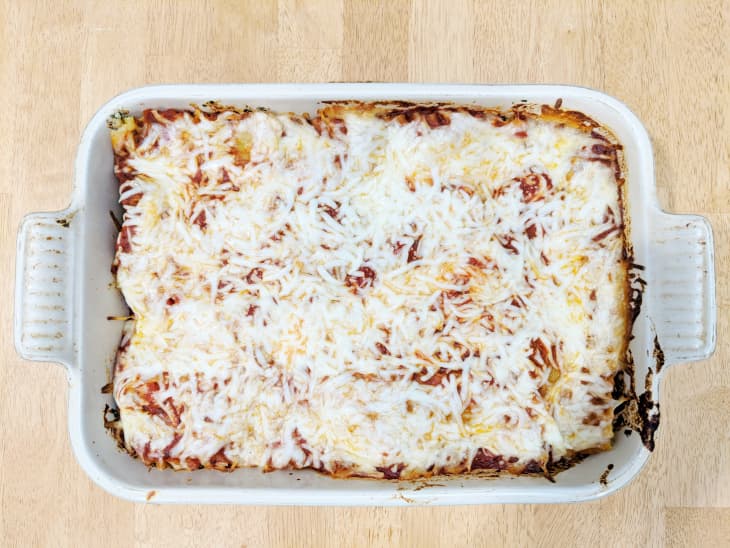
Get the recipe: Easy Turkey and Spinach Lasagna
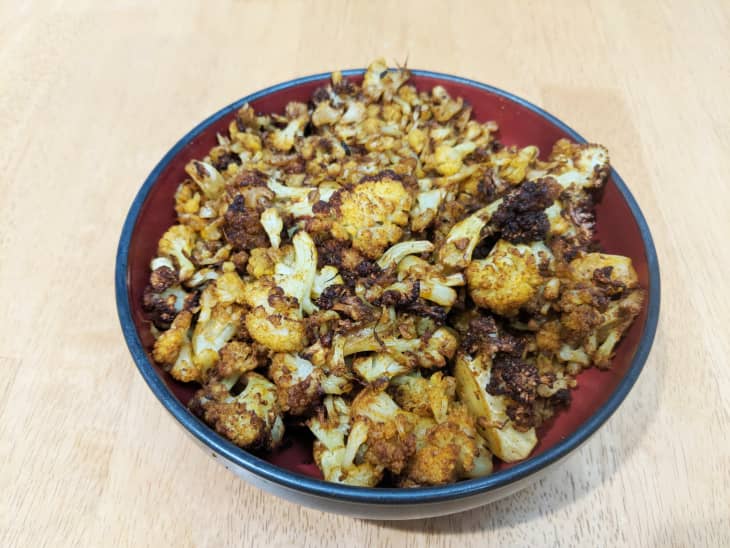
Get the recipe: Curry Spiced Cauliflower

Get the recipe: Eggplant and Zucchini Gratin