
How Wild Rice Brings My Indigenous Food Traditions Home
This piece was created for Cubby, our weekly newsletter for families at home. Want more? Sign up here for a weekly splash of fun and good ideas for families with kids. Join us over on Instagram for more!
Cubby. Real solutions for unreal times.
Join us for a weekly dose of fresh, modern ideas for life at home with your kids.
The Curtice home is an eclectic mixture of who we are — the Germanic heritage of my partner’s family, alongside my Potawatomi heritage. We have a home filled with books and music, dog toys, and LEGO pieces strewn across the living room floor on any given day. We create home by practicing truth-telling alongside celebrating who we are and what that means from day to day.
And one of our favorite ways to celebrate is through good food.
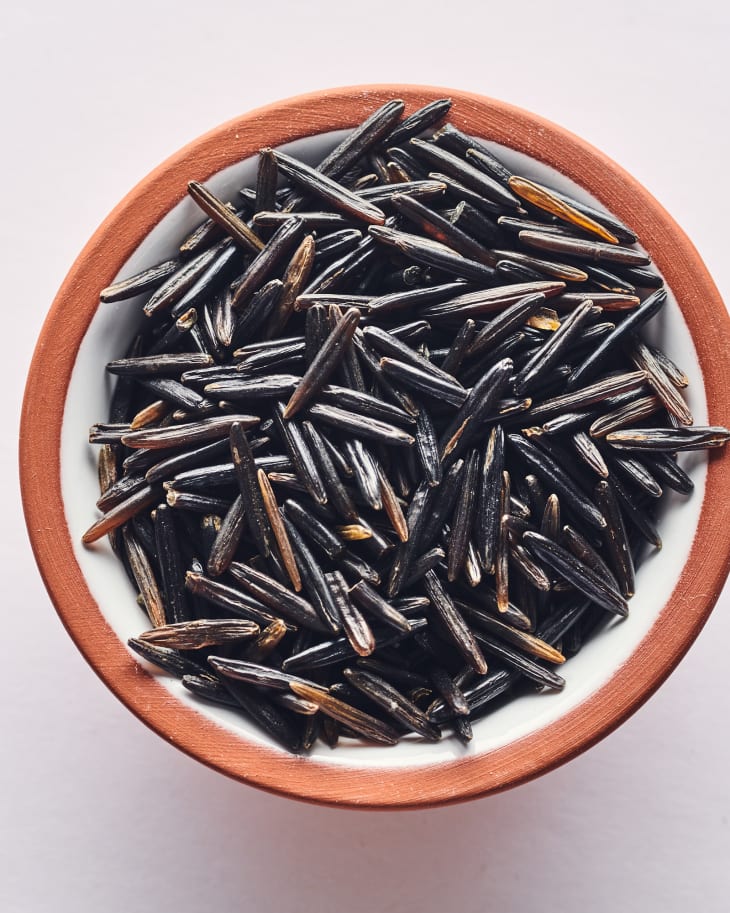
A long time ago as the Potawatomi people were migrating across the land, they were told to go where the food grows on water. It is what we now call menomen, or the good seed, a gift to us from Creator. Indigenous peoples live based on the land, so our connection to the food that we eat is always a sacred connection.
Growing up, I didn’t know anything about wild rice as a traditional food of our people. When I was young, I was familiar with the government commodity foods that many Indigenous people know in America — yellow cheeses and canned goods that don’t spoil easily.

As an adult, my hope is to infuse our home with many aspects of our Potawatomi traditions, including eating wild rice dishes, especially during the holidays. During Thanksgiving and Christmas, I make a wild rice dish that has the perfect blend of salty and sweet — berries, salt, and maple syrup cooked into the rice. As leftovers, we eat it over fresh homemade waffles with more syrup and nuts on top.
I order our wild rice from Honor the Earth, an Ojibwe grassroots organization in Minnesota that harvests pipeline-free wild rice in a traditional way. Knowing how the rice was harvested keeps me connected not only to our own stories, but to my Indigenous kin who continue to care for the land and the waters in the Great Lakes Region.

When November rolls around, I get out my Potawatomi serving dish set — large platters, a bowl, and a pitcher with quill designs, berries, and bears on them. We use these dishes and remember who we are. We use these dishes and celebrate our foods and traditions. What is so special about this is that our kids have come to expect it, wondering where the wild rice is in the holiday food lineup, asking for it around the holidays. It doesn’t have to be something new or exotic to them, because it’s just what our ancestors ate. When our traditional foods simply become a part of who we are, we normalize our cultures and celebrate them.
The first Christmas I shared my Potawatomi rice dish with my husband’s family, we took time at the dinner table to talk about why this dish is important to us. Sharing those stories around the table with everyone is where new traditions are made.
As Indigenous people, it is important that we not only remember who we are, but continue to let our stories, foods, and languages guide us into the future. Even though so much has been taken from us throughout the centuries, we have the opportunity today to honor who we are in many ways.
When we gather around a meal with wild rice and see the berries painted onto our dishes, we remember who we are, and we celebrate it. And as we celebrate, we ensure that future generations who come after us also know what it means to celebrate who we are, to tell the truth, and to share a plate of good food as often as possible. That is home.
To learn more about the history of wild rice and get the recipe visit www.potawatomi.org.