
What Made Me Finally Quit Plastic Wrap Forever
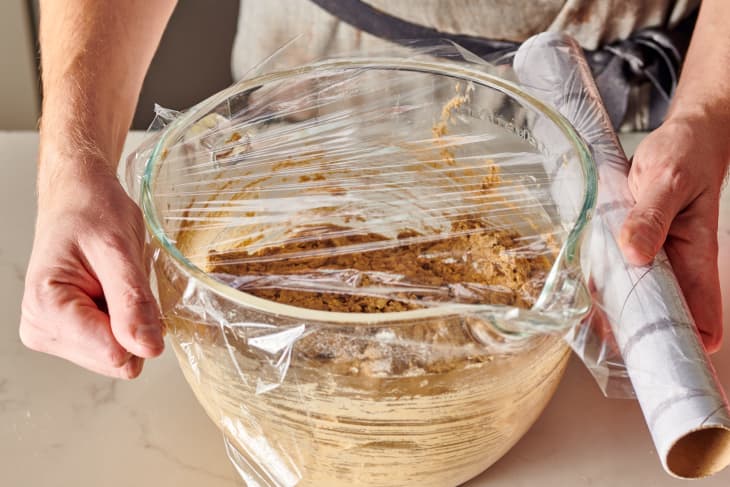
I consider myself to lead a pretty sustainable lifestyle, having grown up in the worst drought in California history with parents who had us do things like Navy dishwashing and showering. I bring reusable grocery bags everywhere, (almost) exclusively buy secondhand clothes, and reuse nearly every jar that comes into my home. I thought I was doing all right until I wrote about brilliant uses for plastic wrap in the kitchen about two years ago. What could go wrong, right? Wrong!
I received dozens of messages asking how I could encourage readers to do such a thing, ruining future generations’ planet, adding more plastic into the oceans — you get the gist. And unfortunately for my ego, they were mostly right! Still, I stand by those tips and tricks if you have a roll of plastic wrap you need to use up (because it’s going to go in the trash anyways). But this was when I first started my attempt at a plastic-free (and paper towel-free) journey in the kitchen. And honestly, it was easier than I thought it’d be.

How I Quit Using Single-Use Plastic in My Kitchen
When I realized how much single-use plastic I was using — and the truly scary effects of microplastics in our waters, communities, and bodies — I knew it was time to switch it up. What ultimately made it so easy were a few smart products that didn’t change my routine, but changed my personal carbon footprint and waste output for the better. Plus, in the time I’ve used them, they’ve even saved me money!
Some people swear by beeswax wrap (which you can also make yourself!) as a sustainable plastic wrap alternative, but if that’s too fussy for you, I highly recommend the picks below. Of course, some are made of plastic — but it’s recycled, which means it’s being put to use instead of going straight into landfills, so it’s still one step closer to zero waste in my book.
I got almost all of these gems from Grove Collaborative, an online marketplace with a serious dedication to plastic reduction (every order is carbon-neutral and plastic-neutral!). These are my favorites:


My Brilliant Trick for Single-Use Plastic Bags
If you’re anything like me, on your journey to lower your plastic waste, you’ve found yourself with a number of plastic baggies and wrap you’re not sure what to do with. Of course, you could always finish up what you have as you normally would, or donate it before using your eco-friendly alternatives. I already talked about my favorite plastic wrap uses, but over the last few months, I’ve been trying to get rid of my plastic zip-top bags, which I have way more of. I admittedly use them till the wheels fall off — I clean and reuse them to store packaged foods or cans of cat food before tossing them, but I recently discovered a trick that’s put them to even better use. As a last stop, I’d been using them to pick up and seal cat litter to keep bathroom smells at bay, when I realized I could do the same thing in the kitchen.
I use plastic bags to throw away my stinkiest kitchen trash so I have a little longer before I have to take it out. When I make chicken or fish, I’ll wash off the packaging and then put it in a plastic bag and seal it up before putting it in the trash (you can’t recycle most bags). If composting is an option in your neighborhood, I also like using bags to seal up and collect organic material like soggy spinach or cilantro-gone-bad before taking it out and dumping it in my compost bin. (If you have more freezer space than me, you can store it there in the meantime!). This trick has helped cut my trips to the curb in half — and my kitchen has never smelled better!
This article originally published on The Kitchn. See it there: What Made Me Finally Quit Plastic Wrap Forever