
I Quit Buying Groceries Sold in Plastic for an Entire Month, and Picked Up 3 Key Tips I’ll Use Forever
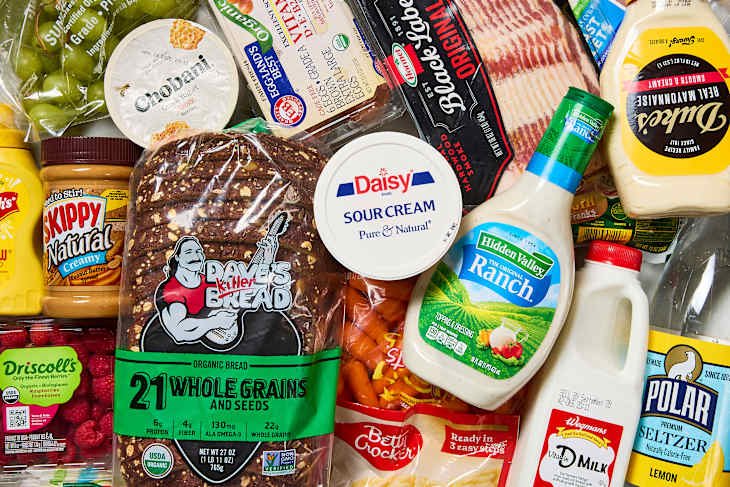
As a groceries editor, I practically live in the grocery store — I’m always there for research, and I love to see what’s new. But there’s one thing I hadn’t really confronted: how much plastic I was bringing home every single trip.
So I set a new challenge for myself to not buy groceries with plastic packaging for a full month. This meant no plastic-wrapped produce, no grab-and-go convenience items sealed in layers of film, and no pre-packaged snacks. If it came in plastic, I had to find an alternative … or go without it.
At first, the biggest surprise was just how unavoidable plastic feels. Even foods that seem low-waste (like fresh herbs and bags of rice) are almost always wrapped. I quickly realized that avoiding plastic wasn’t something I could do passively. It required planning and a whole lot of intention.
But once I adjusted, a few things clicked — and they’ve completely changed how I shop forever.
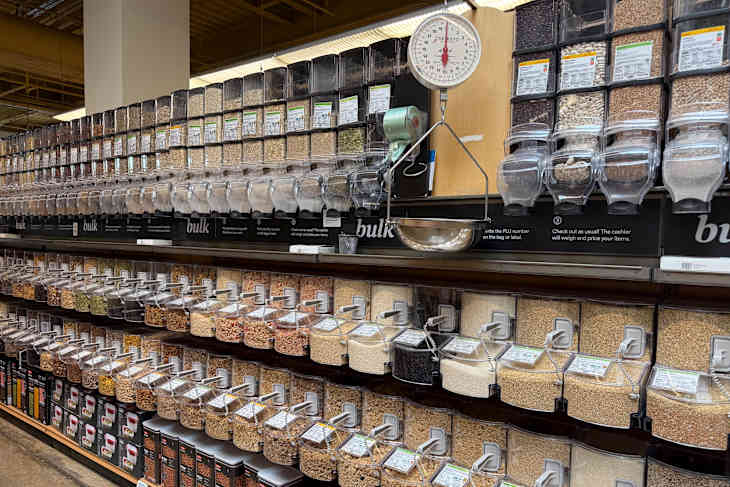
1. Bulk bins are the best.
I first learned about the bulk section from my mom. When I was younger, my family made a big shift toward more sustainable living. This meant we were composting and cutting back on packaging. Making that shopping tip a foundation to this challenge was a game changer. Buying rice, grains, nuts, and snacks from bulk bins let me skip plastic entirely — especially when I brought my own containers. It also meant I could buy exactly what I needed (no more, no less), which meant less waste and less clutter.
When my mom started using the bulk bins, it was initially to cut down on packaging, but we learned that it had another benefit too: noticeably lower grocery bills over time. For example, at my local grocery store, white jasmine rice is $1.99 per pound, compared to the roughly $2.99 a pound I’d pay elsewhere. It might not look or seem like a lot during just one shopping trip, but stacking multiple items like rice with other things like nuts and granola can go a long way.
To do this, I bring my own containers. It might have felt awkward or inconvenient at first, but once I got into the habit of tossing a few jars or reusable bags into my tote before leaving the house, it became second nature.
2. The butcher and deli are a great resource.
It was really eye-opening to see just how many things are wrapped in plastic. Even meat and cheeses come in tight plastic film. But at the butcher or cheese counter, I started asking for everything to be wrapped in paper instead of plastic. Deli workers and butchers were delighted to follow suit — especially when I told them I was trying to cut down on plastic.
Not only did it cut down on waste, but it also let me get more precise portions and know exactly what I planned and wanted to cook and make.
3. Plan ahead.
What this month really taught me is that reducing plastic is hard. Plastic is everywhere and although I firmly stood my ground and avoided pre-packaged items, it didn’t feel entirely realistic to keep it up forever. I love a bag of chips, and I’m not always in the mood (nor do I have the time) to fry up potato chips myself. But the month did teach me that it’s all about awareness. Once I started paying attention, I made better choices. I chose loose produce over pre-packaged, skipped overly wrapped items, and planned meals more intentionally so I didn’t default to convenience.
It did take more effort. I had to think ahead, shop differently, and sometimes change what I was planning to cook. But the payoff was worth it: less waste, more mindful eating, and a stronger connection to what I was buying that I know will create a much longer-lasting shift.
Have you tried grocery shopping without plastic before? Tell us about it in the comments below.
The Weekly Checkout
Sign up for The Weekly Checkout to get the most up-to-date grocery news, tips, and highlights.
This post originally appeared on The Kitchn. See it there: I Quit Buying Groceries Sold in Plastic for an Entire Month, and Picked Up 3 Key Tips I'll Use Forever