
Have You Seen the Living Room Family vs. Bedroom Family Debate? Here’s What’s Missing
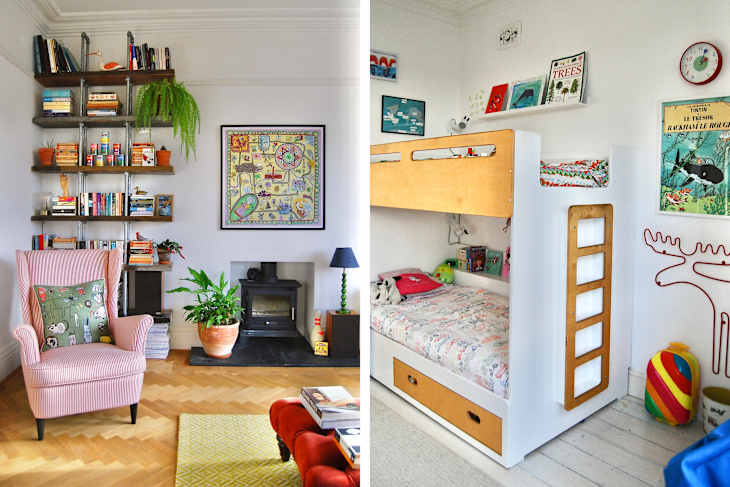
Are you a living room family, or a bedroom family? It’s a question that continues to pop up in TikTok videos and Instagram Reels from parenting influencers. They say living room kids spend a lot of time in communal home spaces, while bedroom kids retreat to their bedrooms and spend a lot of time alone.
I can relate as a former bedroom kid who now has a living room family. Though my siblings and I played together regularly in our backyard and home, I became a child who preferred the company of a book and the privacy of my bedroom. My introverted personality definitely played a part in this need for personal space, but it was also because I was trying to insulate myself from family conflict.
My own daughter, on the other hand, thrives in the chaos (and clutter) of our shared living spaces. Since we are trying to foster opportunities for connection with her and respect her needs and preferences, we’ve rolled with it.
What You Need to Know About Living Room Families vs. Bedroom Families
Ayla Fleming, a licensed clinical social worker, believes that contemporary parents might find the concept of a living room family appealing because they’re trying to parent differently than they were raised. “We’re valuing independence less and recognizing the benefits of increased social connection and collaboration. We’re focused less on achievement and more on community,” Fleming says. “We’re aiming to offer consistency and unconditional love with boundaries, rather than the more authoritarian parenting many of us experienced from our own parents.”
But there’s another important takeaway here that’s missing from a lot of social posts: A living room dynamic isn’t necessarily the only positive one. While influencers have pointed out negative associations with being a bedroom kid due to isolation or parental indifference, there are a bunch of very valid reasons why some kids might prefer spending less time in communal spaces, such as how some introverted or neurodivergent children may feel more secure in areas that offer less stimulation. “Many children and adults need a balance of togetherness and independence, and that balance can shift based on age, temperament, or stress levels,” says Monika Roots, MD, child psychiatrist and cofounder at Bend Health, a provider of pediatric mental healthcare. “Families tend to do best when they allow for flexibility and different ways of being together, rather than aiming for one idealized version of closeness.”
Roots says that where a family spends most of its time doesn’t necessarily guarantee connection. “Secure attachment is not built by everyone spending large amounts of time together in the same space,” Roots says. “It is built through consistency, responsiveness, and emotional safety over time.”
Here are some things to remember while fostering secure attachment with your children, whether or not you consider yourself a living room family:
Tailor your approach to your kid.
Every child is different, and even siblings can have different connection needs. “It’s important to factor in individual personality and temperament — introversion vs. extroversion, sensory needs, and personal preferences.” Fleming says. “The goal isn’t constant closeness or total independence, but flexibility. Families that can adapt as children grow honor individual differences, and support healthy independence while staying emotionally connected.”
Your child’s developmental stage also will impact how best to connect with them. “Younger children often benefit from a strong ‘living room’ culture with shared time and caregiver availability,” Fleming says. “While older children and adolescents tend to benefit from more privacy and space to support autonomy, identity development, friendships, and independent interests.”
Prioritize “micro moments” and intentional time together.
Roots says that the most meaningful connections can occur in everyday moments. “These micro moments matter. Sharing an after-school snack, having a focused conversation, or checking in during daily routines can be meaningful,” she says. She reminds parents, “During these moments, limiting distractions and actively listening can help strengthen connection over time.”
On the other hand, also consider developing easy yet significant family traditions. “Creating simple family traditions at home can also help everyone feel grounded and connected without forcing constant togetherness,” Roots says. “A weekly game night, watching a movie together, or making a special meal can provide predictable moments of connection while still honoring each person’s need for space.” These traditions offer opportunities for making special memories, regardless of which rooms you and your kids spend the most time in.