
I Used to Work at a Grocery Store Deli Counter — Here’s What All Shoppers Need to Know

A few years ago, I spent the summer working at a local gourmet grocery store, The Fresh Market, in North Carolina. When I first applied, I imagined my days would be spent stocking shelves with imported chocolates and heirloom grains — living large on my 30% employee discount. Instead, I spent many hours in the deli department preparing party platters and slicing deli meat.
While I don’t miss those early summer mornings roasting rotisserie chickens and slicing salami (okay, maybe using the slicer was fun), it opened my eyes to how much people aren’t taking advantage of the deli counter. It changed the way that I grocery shop forever. These are the five things I think every consumer should keep in mind to navigate the section like a pro (and save money!).
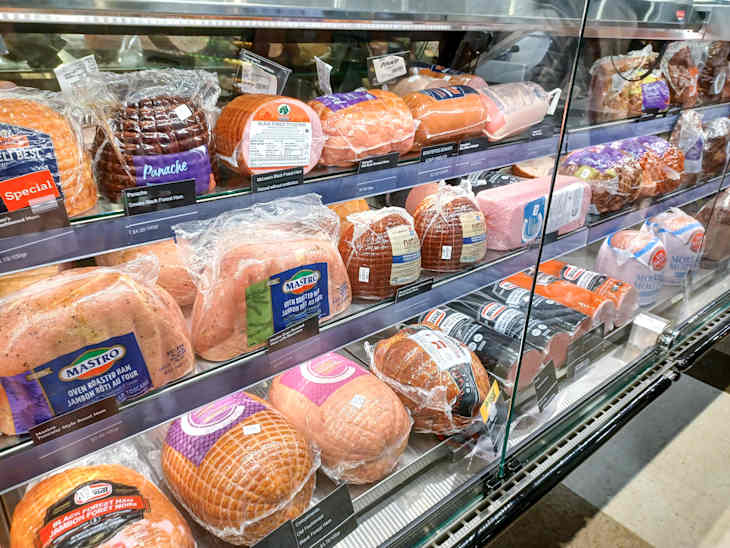
1. Avoid presliced meats.
Most delis will keep some kind of presliced meat and cheese in the cooler. The convenience of grabbing a ready-to-go package can cost you a few more bucks than just ordering it at the counter. Where I worked, these products, like the commonly ordered oven-roasted turkey, were typically a dollar or two more than the whole meat and cheese blocks sitting right behind the counter (unless it was close to their best-by date, in which case they were slightly cheaper).
Essentially, you’re paying extra for the same oven-roasted turkey, just sliced hours or days earlier. Spend a few extra minutes and order at the counter to save money and get a fresher product. On that note … Some grocery stores discount presliced meats to sell before their best-by date (which are usually cheaper than getting it sliced).
2. Chat with your local deli worker.
Your local deli workers are invaluable resources. They know what’s fresh, what’s selling, and where there are deals to be discovered. On top of treating a fellow human-being well, building a good rapport not only makes for a better shopping experience, but it can also lead to a better grocery haul. (Ditto for grocery store butchers.)
Deli workers familiar with your shopping habits can point out sales you might have missed, clue you in on upcoming specials, and recommend which prepared foods are worth trying. If your favorites are out of stock, they’ll likely know the best substitutes and even suggest alternatives that suit your needs. Oh, and when my nicest regulars came around, they just might have gotten to sample some of our newest offerings on the house.
3. Learn the weekly sales rotations.
When I worked at the deli, I noticed too many people didn’t pay attention to sales. If you’re set on a specific meat or cheese, that’s one thing. If you’re flexible — like swapping roasted turkey for on-sale smoked turkey — you could save up to $5 per pound.
You’ll find sales info in the grocery store’s weekly flyer, including what exactly is on sale and for how long. Most grocery stores run sales on a rotating schedule, so you figure how frequently your staples go on sale and plan accordingly. If my favorite salami is on sale, I know I’ll be packing salami sandwiches that week.
4. Ask for samples of new or new-to-you items.
I used to cycle between my same two or three cold cuts, until I tried Boar’s Head Jerk-Seasoned Turkey Breast on a whim. Now, it’s my new favorite way to add some life to my sandwiches. Needless to say, there’s a lot of variety in the deli case. If you, like me, get the same thing often, there are probably some undiscovered treasures waiting in there for you.
If you’re curious about that dry salami or new pepper jack, just ask if you can try it! Samples are a great way to get familiar with things you haven’t tasted before, as long as you’re mindful. Workers with no customers are usually more than willing to take the time; if there’s a long line, it might not be the best moment to ask for a sample.
5. Find your favorite deli meat slice thickness.
Turkey slices too thick? You’ll likely use more per sandwich, leading to more expensive lunches. Cheese too thin? Your unopened bag might turn into a crumbly mess. Prosciutto too thick? Well … just don’t even go there.
The good news is: Delis will slice products to whatever thickness you prefer. Easy standards to go by are shaved, thin cut, and thick cut. Shaved is paper thin and doesn’t have discernible slices, thin cut is usually less than ⅛ inch, and thick cut will be around ¼ inch. Some grocery stores even post this info in the deli area for shoppers, but if yours doesn’t, you can keep this in a notes app on your phone or memorize it.
This article originally published on The Kitchn. See it there: I Used to Work at a Grocery Store Deli Counter — Here’s What All Shoppers Need to Know