
The 25 Best Toys for Your Baby’s First Year
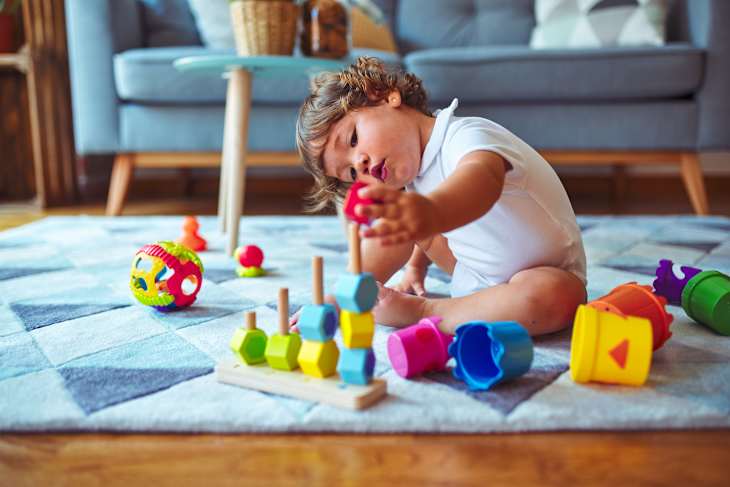
Play is truly a baby’s work. Staring at a waving rattle is how they practice tracking with their eyes, reaching for a toy is how they get motivated to crawl and grasp, and getting attached to their favorite toys is an early way babies learn to regulate emotions.
If that all sounds intense for a person who can’t even talk yet — it is! But also, pretty much anything is a toy to a baby. “Babies are just starting to process the world through touch, sound, and movement, so anything soft, safe, and sensory-rich is wonderful,” says Haley DeSousa, M.Ed., head of curriculum and instruction at Haven childcare centers, which use a play-based, Montessori approach. (She’s also a first-time expectant mom, so she understands how overwhelming the baby aisles can be!) “I tell people to keep it pretty simple. Wave a scarf during tummy time, hand them a soft kitchen spatula to explore. You’ll purchase toys, too, but it’s helpful to know that you probably have many rich play materials right at home.”
What to Look For in Toys for Babies
- Always note age grading, but especially with kids this young. A toy marked for 6 months and up will likely be frustrating or useless for a 3-month-old. A 4-month-old has vastly different skills and interests than a 10-month-old, and manufacturers try to signal age-appropriateness to parents so kids are presented with developmentally appropriate toys.
- Avoid toys that “perform” for your little one, and look for toys that are meant to engage them and that allow them to drive the play.
- You’ll want a fairly robust number of toys and household distractions around. Babies can seem to have a really short attention span, because after 5 or 10 minutes they might get overwhelmed. It will be a few years before you can expect your child to play with something for a half-hour. But the good news is that sitting in their bouncer or high chair and watching you, a sibling, the dog, or even a waving tree can be just as much fun for your baby as playing with a toy.


